
All Roads Lead to Berlin
Located in the heart of Europe, Berlin is one of the continent’s most connected transportation hubs, offering convenient access by rail, coach, car, and air. Whether travelling from within Germany or from neighbouring European countries, attendees can choose from a range of transport options suited to different travel preferences and itineraries.
This page provides practical information to help you plan your journey to Berlin and your arrival at the Meeting venue CityCube Berlin.
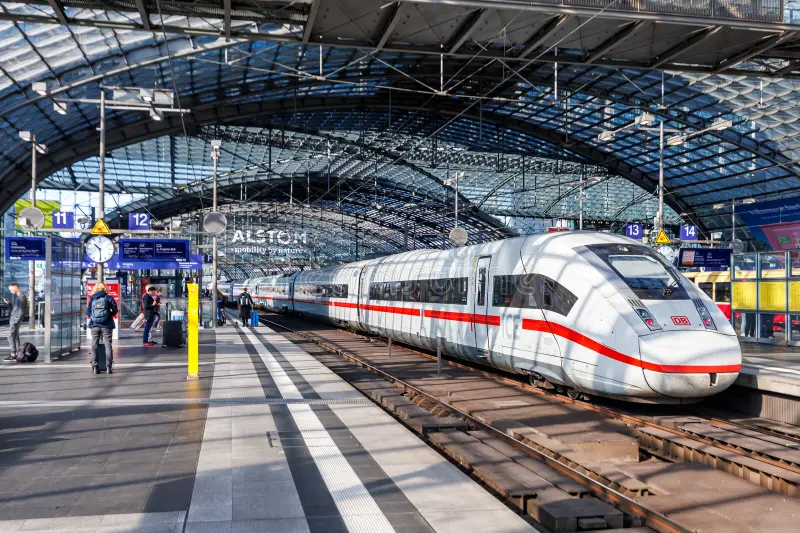
Berlin is connected to major cities across Germany and Europe through an extensive rail network. High-speed and long-distance services provide direct links to destinations including Warsaw, Prague, Vienna, Amsterdam, Paris, Copenhagen, Zurich, Budapest, and many other European cities.
The city’s main railway stations — Berlin Hauptbahnhof, Berlin Südkreuz, Berlin Ostbahnhof, Berlin Gesundbrunnen, and Berlin Spandau — are all well integrated with Berlin’s public transport network, making onward travel straightforward.
For attendees travelling from nearby countries, rail can offer a convenient alternative to short-haul flights, with several daytime and overnight connections available throughout Europe.
Long-distance coach services connect Berlin with hundreds of cities across Germany and Europe. Major operators offer regular routes from neighbouring countries and regional hubs, often at competitive fares.
Most services arrive at the Central Bus Station (ZOB Berlin), located in the Charlottenburg district and within close proximity to the Meeting Venue CityCube Berlin, making transfers to the congress venue particularly convenient.
Additional coach services also stop at locations such as Berlin Ostbahnhof, Südkreuz, Alexanderplatz, and BER Airport.

Berlin is easily accessible via Germany’s motorway network, with direct connections from all directions. Several major highways converge on the city, making travel by car-sharing a practical option for attendees travelling from nearby countries and regions.
For those arriving by car, Berlin offers a range of parking facilities throughout the city. Please note that parts of central Berlin operate as an environmental zone (Umweltzone), where specific vehicle emission requirements apply.
Car-sharing services are widely available across Berlin and can provide a flexible option for airport transfers or regional travel.

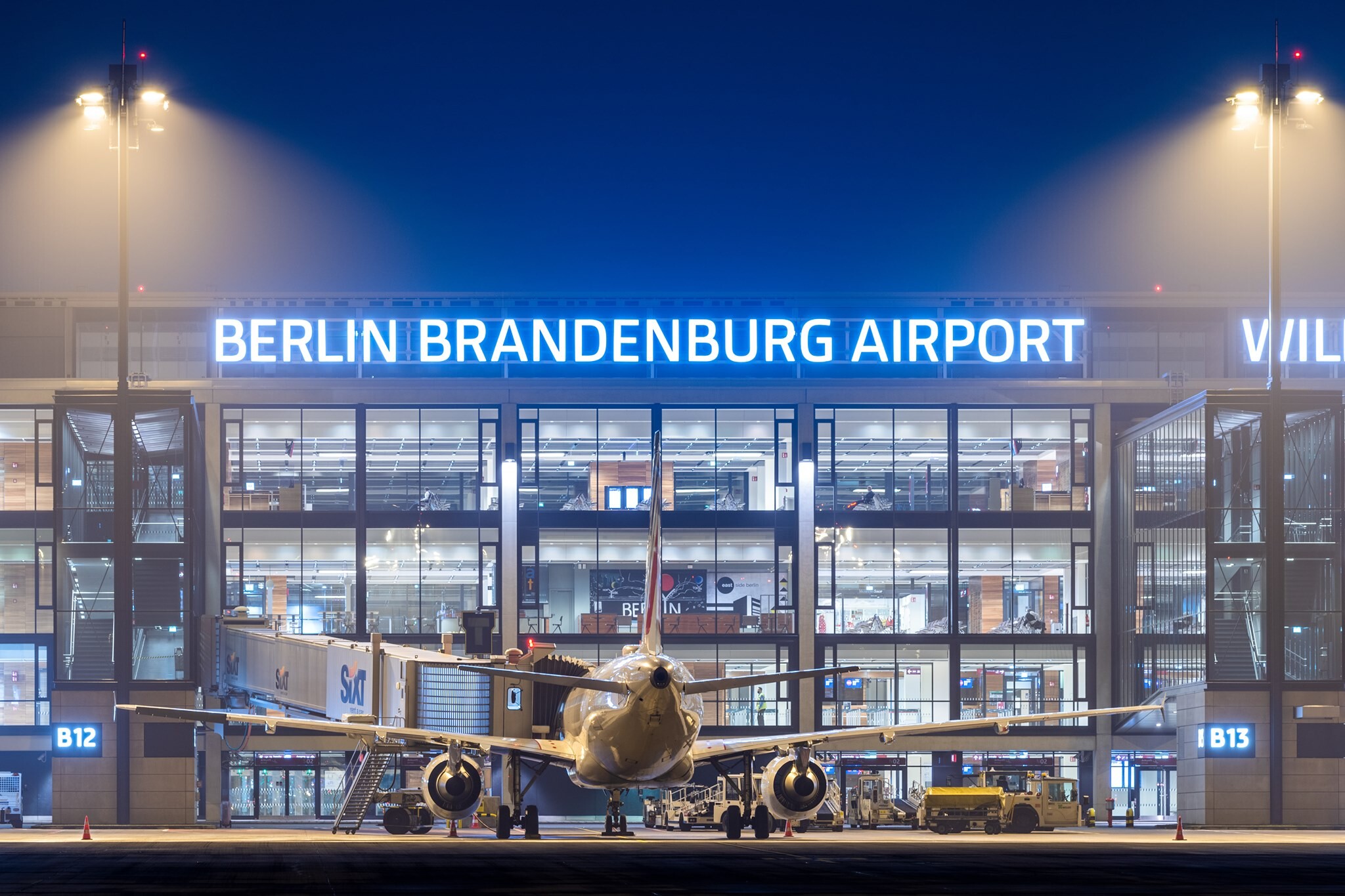
Berlin Brandenburg Airport (BER) serves as the city’s primary international airport, offering connections to destinations across Europe and beyond.
The airport features a railway station directly beneath the terminal, providing quick connections to the city centre and the wider public transport network. From BER, travellers can easily reach hotels, key transport hubs, and CityCube Berlin via rail or public transport.
For most international attendees, BER Airport will be the most convenient gateway to Berlin.
Move Around the City
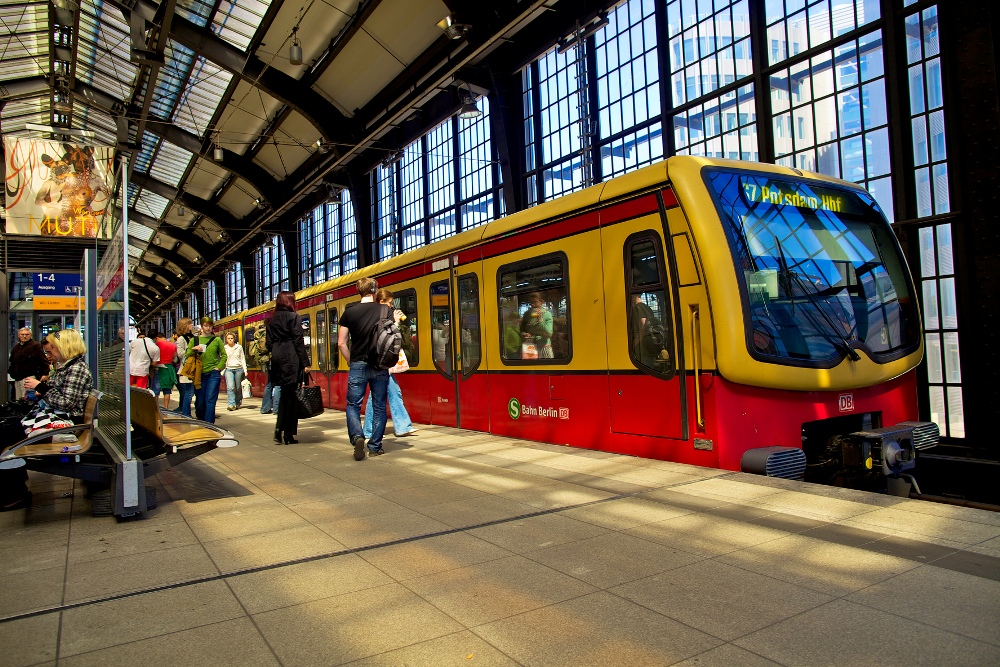
Berlin offers an extensive and efficient public transport network that includes U-Bahn (underground), S-Bahn (urban rail), trams, and buses, all operating under a unified ticketing system.
- S-Bahn and U-Bahn: The fastest and most convenient options for travelling across the city and reaching major transport hubs. The Meeting Venue, CityCube Berlin, is directly connected to the public transport network via Messe Süd (S-Bahn) and Kaiserdamm (U-Bahn) stations.
- Trams and buses: Provide extensive local connections and complement the rail network, offering easy access to areas not directly served by train lines.
Berlin’s public transport operates from early morning until late at night, with additional night services available and many rail lines running throughout the night on weekends.
Useful Tip
Currency
The Euro (€)
Weather
21 ºC / 11 ºC
Voltage
230 V with Type C and Type F outlets
Information on this page is sourced from Berlin’s official travel website – visitBerlin.de