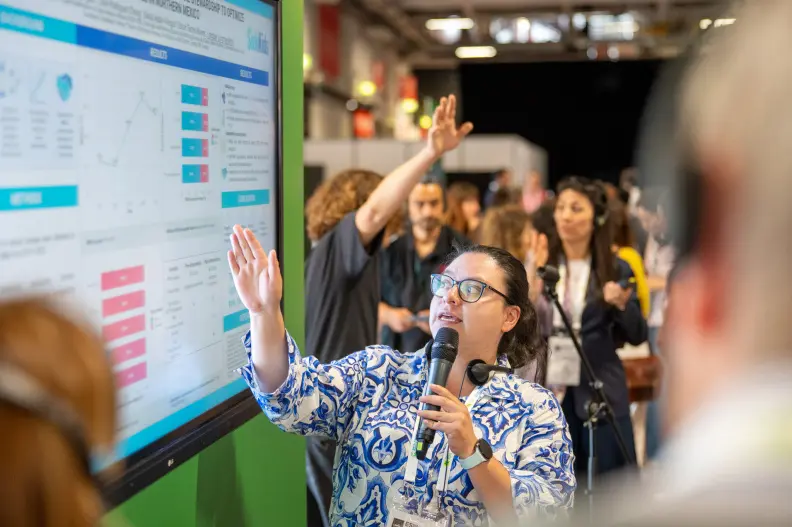
ESPID 2027 presents a forward-looking programme crafted to showcase the newest breakthroughs and innovations in paediatric infectious diseases during the 5 days of the Meeting.
During this upcoming Meeting we’ll continue with sessions on the latest breakthroughs in the treatment, diagnosis, and management of PaedsID.
Join us on 31 May – 04 June, 2027, in the wonderful city of Berlin, Germany for ESPID 2027.
The Meeting programme starts at 8:30 AM on Monday, 31st May.
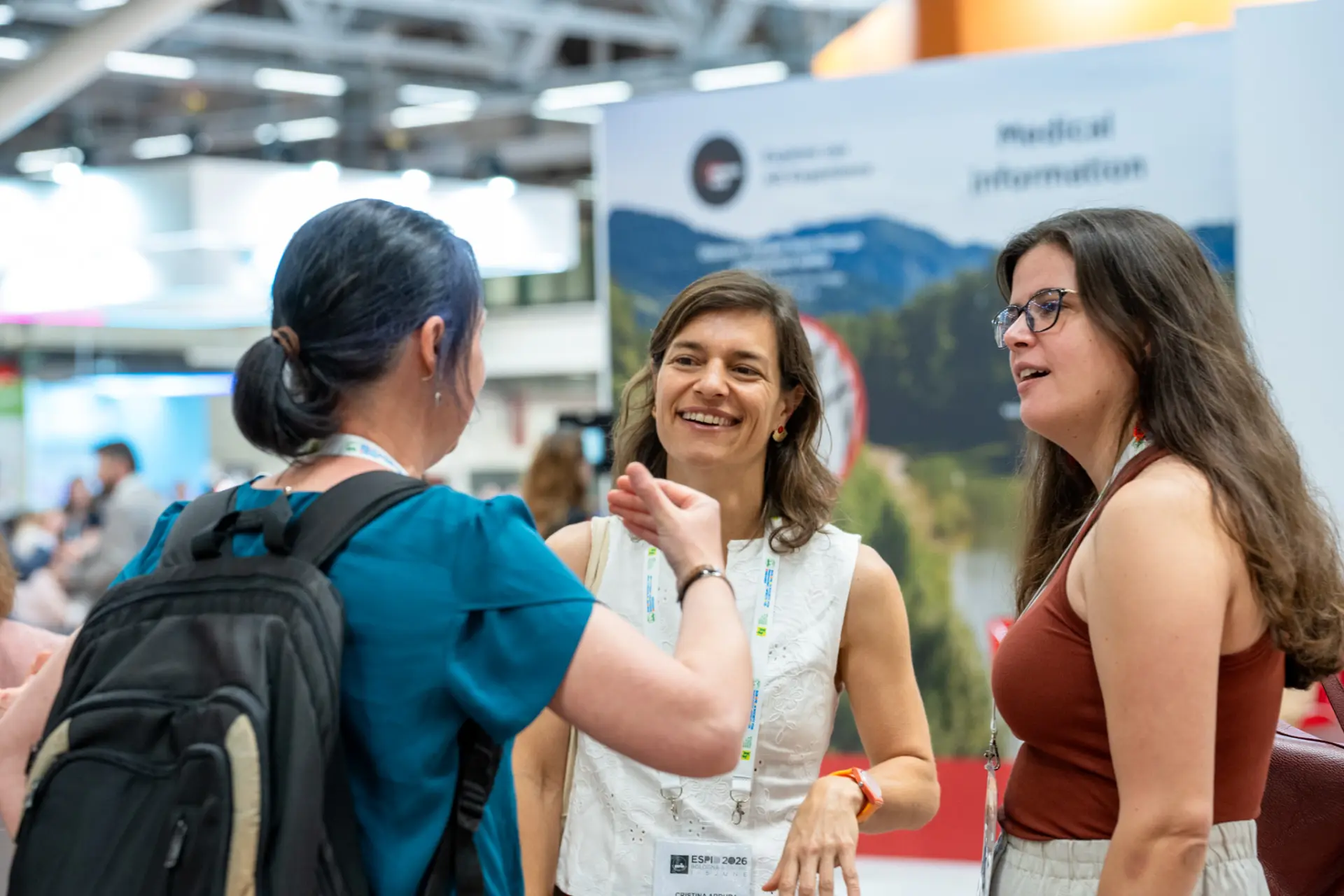
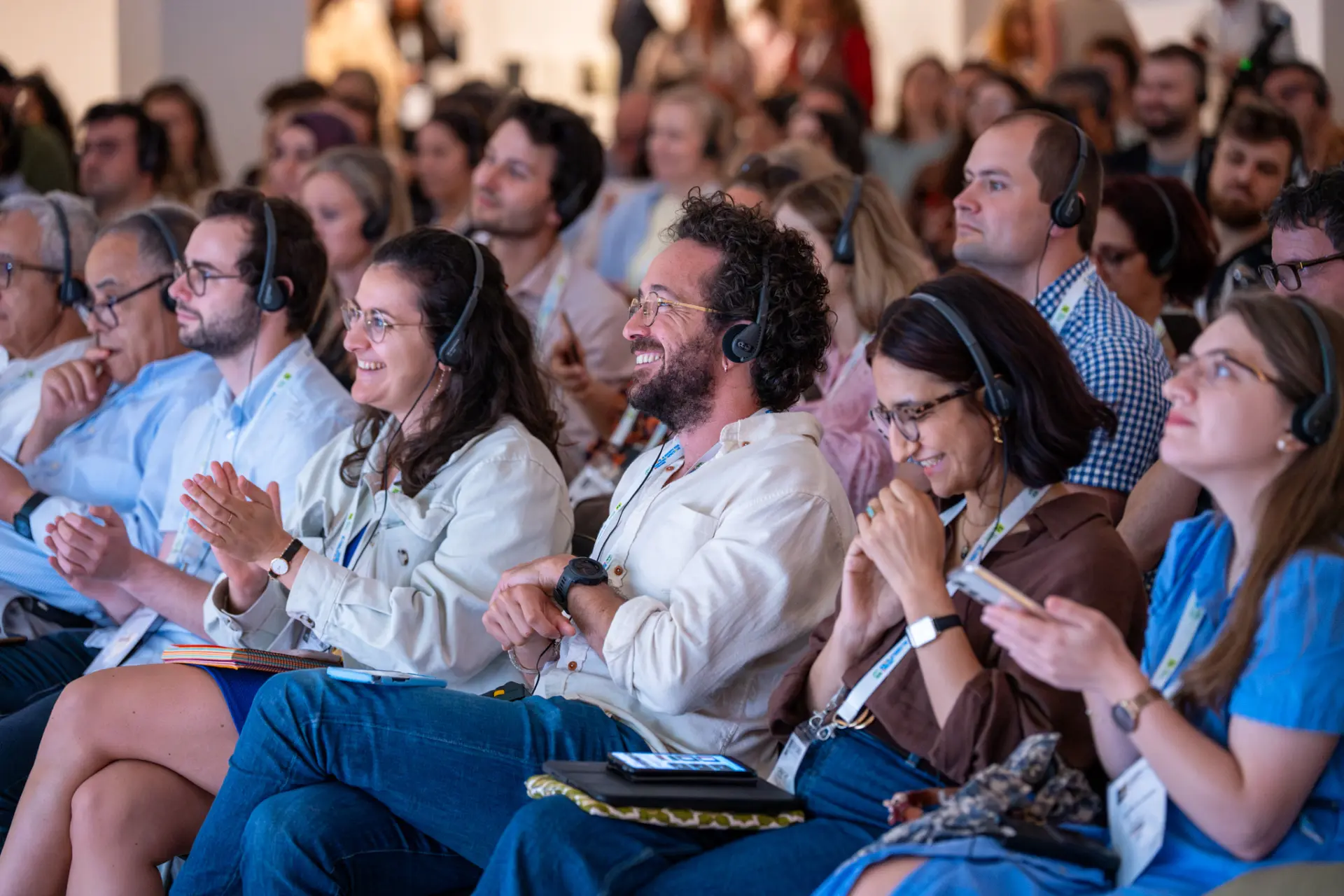
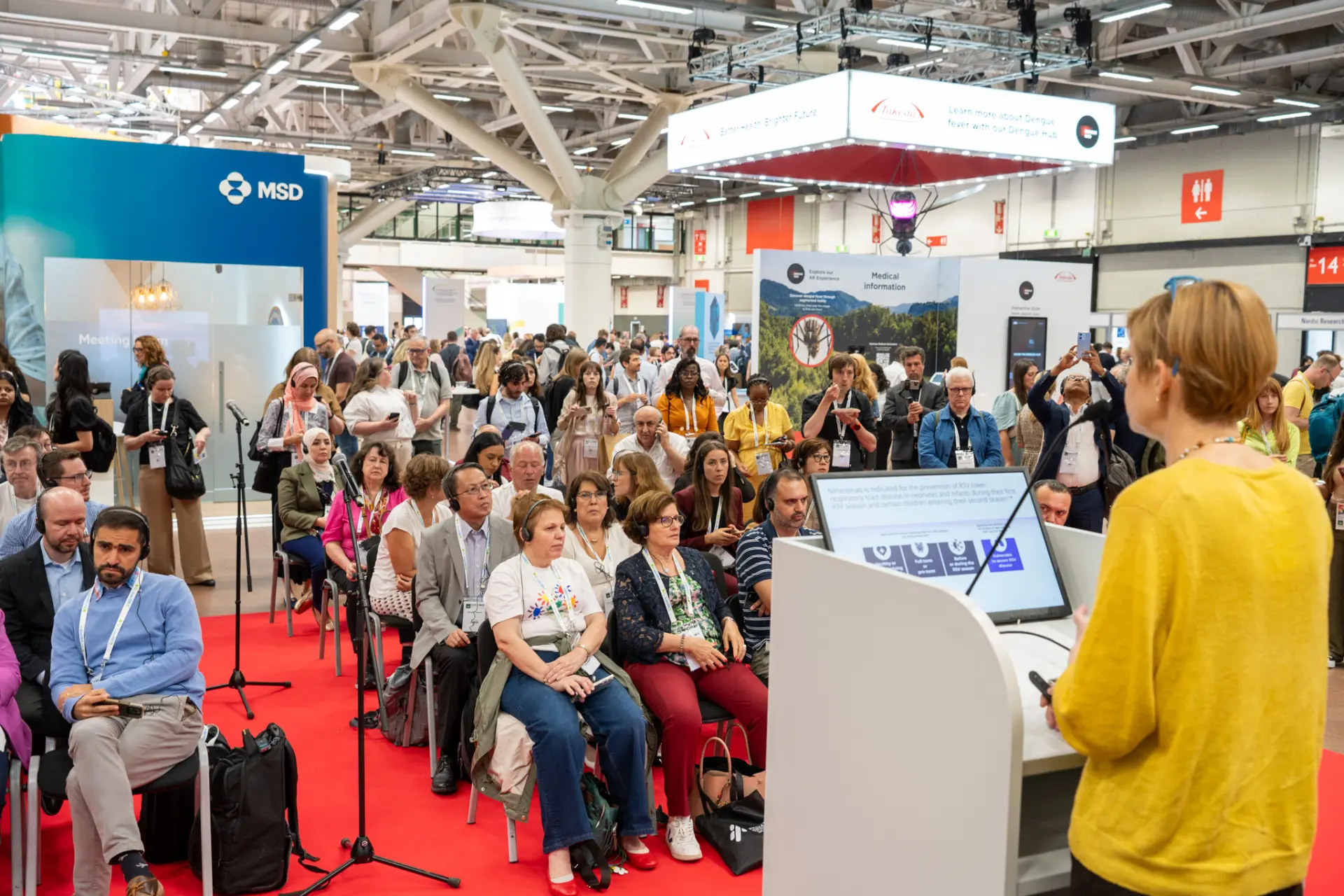
Join us at the leading European event dedicated to paediatric infectious diseases.
Worldwide experts in PaedsID will gather and present the latest advances in vaccines, public health challenges, climate change and respiratory infections, digital health & AI, fungal infections, and treatment of Malaria, Kawasaki disease, HIV, hepatitis, and more.
Do you have new results that could improve the lives of children with infectous diseases? New data around vaccines, antimicrobials, immunology, retroviruse, or the use of digital tools? Abstract submissions for ESPID 2027 are open and this could be your opportunity to bring your research to the attention of our PaedsID community.
Abstract Submission Deadline: 19 January 2027 midnight CET (23:59)
AD/PD™ is an inspiring convergence of cutting-edge science and real-world clinical application. I was most impressed by the integration of neurodegeneration biomarkers with precision medicine approaches, offering hope for earlier and more targeted interventions. The collaborative spirit and energy among researchers, clinicians, and innovators truly stood out — it felt like the future of brain health is being shaped right now.
I especially appreciated the diversity and depth of the scientific content. The integration of basic and translational research with updates on clinical trials created a well-rounded perspective on neurodegenerative disease research. I also enjoyed the opportunities for networking and collaboration, as well as the accessibility of sessions both in person and virtually. The possibility of seeing the virtual sessions was particularly important.
Excellent mix of very mechanistic science, translational work, and clinical research. It truly bridged the gap between lab and clinic.
The scientific program is fascinating. Diverse topics and research lines are addressed and brilliantly generate new questions at the same time as answering some.
Great overview of new treatments and biomarkers from industry and academia, all of which are well integrated.






AD/PD™ is an inspiring convergence of cutting-edge science and real-world clinical application. I was most impressed by the integration of neurodegeneration biomarkers with precision medicine approaches, offering hope for earlier and more targeted interventions. The collaborative spirit and energy among researchers, clinicians, and innovators truly stood out — it felt like the future of brain health is being shaped right now.